Building Positive Relationships
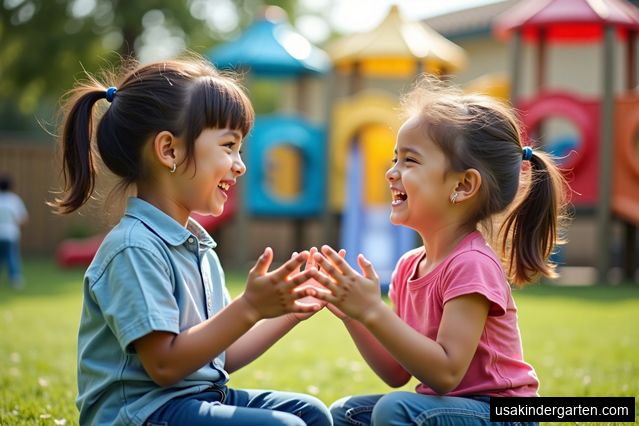
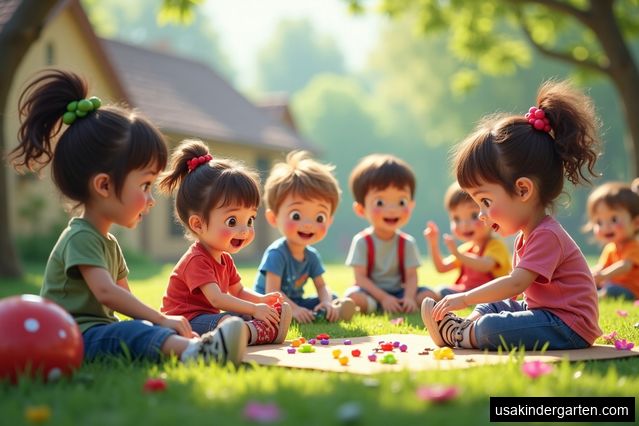
Kindergarten is a critical time for children to develop social skills and build friendships. As educators, it is essential to create a positive and inclusive classroom environment that encourages healthy relationships. One way to achieve this is by implementing activities that promote teamwork and cooperation. Group projects, paired learning activities, and collaborative games provide opportunities for children to work together and develop communication and problem-solving skills.
Teaching Empathy
Empathy is a vital skill for children to learn at a young age. Kindergarten provides an ideal setting for teaching empathy as children are exposed to diverse backgrounds and experiences. Educators can incorporate empathy-building activities into their lesson plans by encouraging students to share their feelings and perspectives. Role-playing scenarios and storytelling can also help children understand different emotions and develop compassion for others.
Promoting Inclusivity
Inclusivity is crucial in fostering positive kindergarten friendships. Educators should create an environment where every child feels valued and accepted. This can be achieved by incorporating multicultural literature and resources that represent diverse backgrounds. Additionally, teachers should actively discourage exclusionary behaviors and promote an atmosphere of kindness and understanding. By modeling inclusive behavior and teaching children to appreciate differences, educators can help create a welcoming and inclusive classroom.
Encouraging Communication
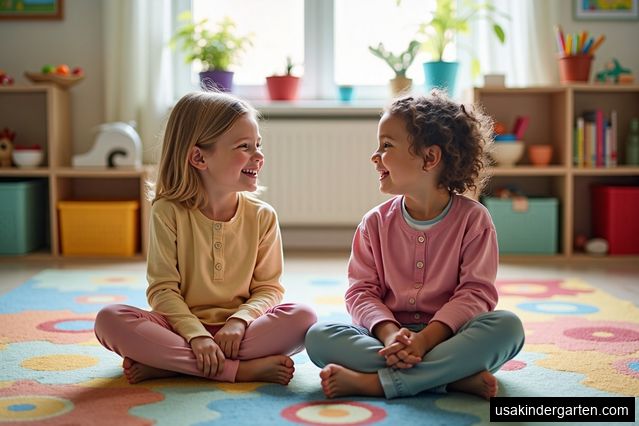
Effective communication is a foundational social skill that supports the development of friendships. Kindergarten is an ideal time to introduce and reinforce communication strategies. Educators can incorporate activities that encourage active listening, turn-taking, and respectful speaking. Providing opportunities for children to express their thoughts and feelings, such as through class discussions or show-and-tell sessions, can also strengthen their communication skills and help build connections with their peers.
Developing Conflict Resolution Skills
Conflict is a natural part of any social environment, including kindergarten. Teaching children how to resolve conflicts in a peaceful and respectful manner is essential for maintaining a positive classroom atmosphere. Educators can introduce conflict resolution strategies such as active listening, compromise, and problem-solving. Role-playing scenarios and group discussions about conflict can help children understand different perspectives and develop empathy. By equipping children with these skills, educators prepare them to navigate social interactions and maintain healthy relationships.
Encouraging Peer Support
Peer support plays a significant role in nurturing kindergarten friendships. Educators can foster peer support by encouraging children to help each other and work collaboratively. Assigning buddy systems or group projects can create opportunities for students to support and learn from one another. This approach not only strengthens social bonds but also cultivates a sense of community within the classroom.